
My first diving training!
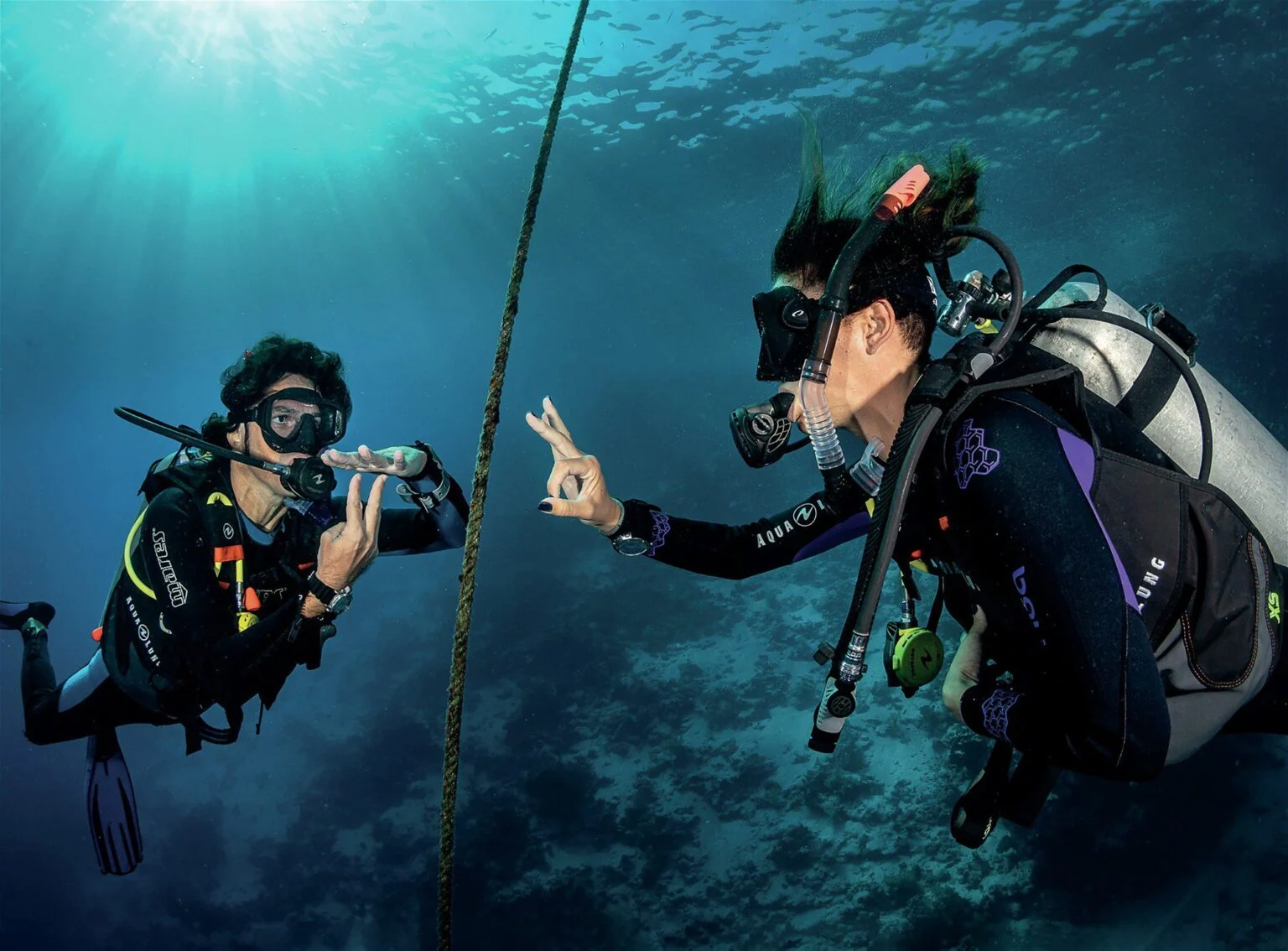
After many days of waiting, I finally had my first training session with the scuba club. Although it wasn’t an official training session, I was still very happy because I’ve made some progress. For those who don’t know, I’m very passionate about marine biology, especially interacting with marine animals.
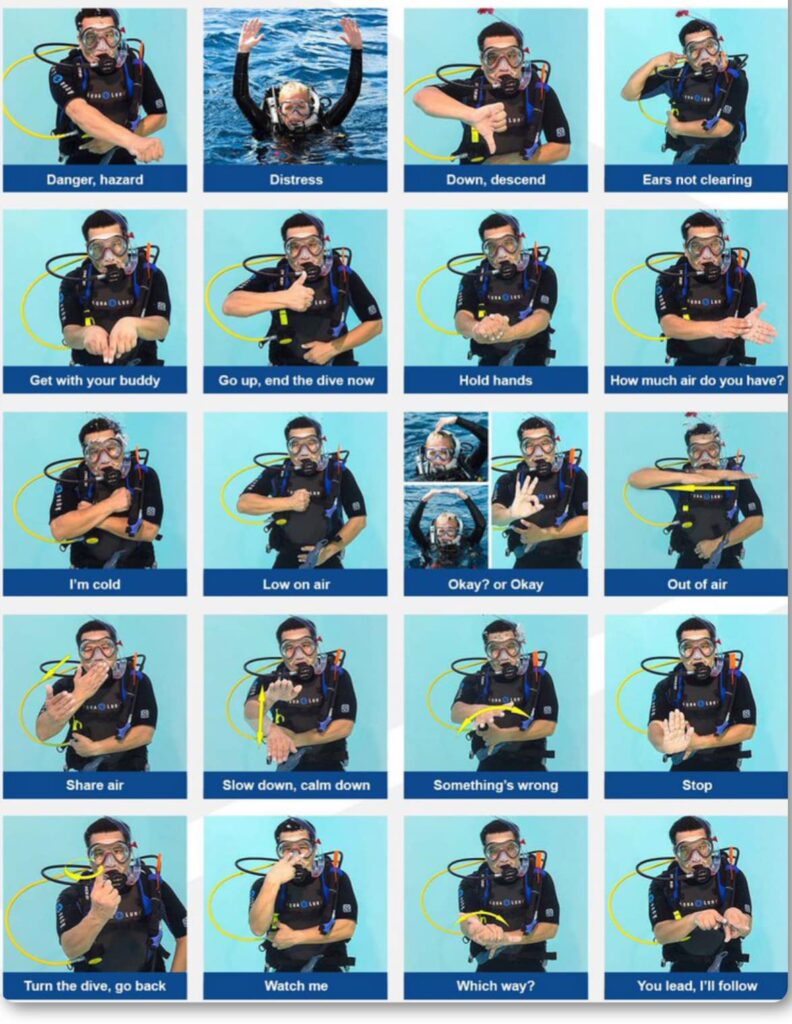
At school, I joined the scuba club and started earning the PADI diving certificate. This program is divided into two parts: theory and practical training, similar to getting a driver’s license. I actually completed the online theory portion quite a while ago, where I learned many interesting and important concepts about scuba diving, especially safety precautions. For example, we learned how to stay calm and ask for help from a diving buddy if something goes wrong underwater. One thing I found especially interesting was learning the hand signals used underwater for emergencies, such as pointing one hand at the regulator and placing the other hand across the throat to signal that you’re running out of air. There are many different hand signals, and it took me quite some time to memorize all of them!
Last week, our advisor decided to let us practice getting familiar with the face mask at the school pool. Some of the members already have a lot of scuba diving experience, and they helped me a lot. The scuba club is quite small, but I think that actually makes it easier for everyone to become close to each other and creates a very friendly atmosphere.
At the pool, I practiced getting used to the feeling that my nose would be blocked and I couldn’t breathe through it underwater because the face mask covers both the eyes and the nose. I also learned how to clear the mask underwater. Just like when you swim, goggles can get foggy because of water vapor condensation. With a diving mask, I have to tilt the mask about 45 degrees so that some water enters, then use my nose to blow air into the mask to push the water back out.
That might sound a bit confusing. Didn’t I just say that when wearing the mask, you can’t breathe through your nose? So how can you blow air out through your nose to clear the mask? Actually, when scuba diving, we breathe through our mouths using the regulator connected to the oxygen tank. If we want to clear the mask, we simply take a breath through our mouth and then exhale through our nose to push the water out. I also included an image below to illustrate this more clearly.
After that, our instructor had us practice breathing with a snorkel. It’s quite easy to breathe at the surface, but when you dive underwater, water enters the snorkel and you have to learn how to push the water out when you come back up. Once I surfaced, I had to blow very strongly through my mouth to force all the water out of the snorkel. At first, I still had a little water left inside, which made it quite difficult to breathe. But after practicing patiently for a while, I finally succeeded. The instructor seemed quite pleased and even complimented me for performing quite well for a beginner. However, I know that this is only the first step and that many challenges are still ahead. I was also able to borrow the instructor’s snorkel set to practice more during spring break, and I’m really looking forward to it.
And that was my very first scuba training experience—one that I will definitely remember. Thank you for taking the time to read my story, and I’ll update you on my journey toward professional diving very soon!